

Inspiring Roundtable | Multi-disciplinary focus on the ecological restoration and reuse of mine pits
2021-10-28
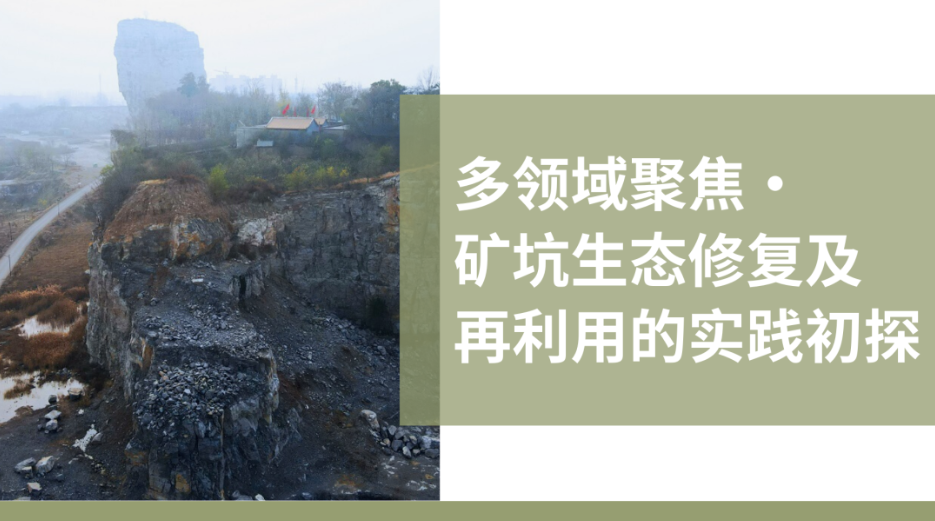
In China, with the ongoing process of urbanisation transitioning towards an ecological civilisation, there's a growing focus among enterprises on environmental protection and sustainable development. For instance, resource conservation has become a foundational principle within the construction industry.
As available land within human activity zones continues to decrease, the rejuvenation of brownfields is emerging as a new avenue for land development. Many companies are initiating new projects on old factory sites, abandoned pits, or former mining areas. However, this invariably involves extensive work in ecological restoration and soil and groundwater rehabilitation.
On October 28, TOMAKERS and Yunhe Planning and Design Company conducted a roundtable discussion on 'Eco-Restoration and Redevelopment of Abandoned Mine Pits' at the rooftop meeting room of Yunhe’s building. The focus was centered around one of Yunhe’s planning projects in Jiaxiang Town, Shandong Province, exploring 'Ecological Design: Urban-Rural Sustainable Development.'
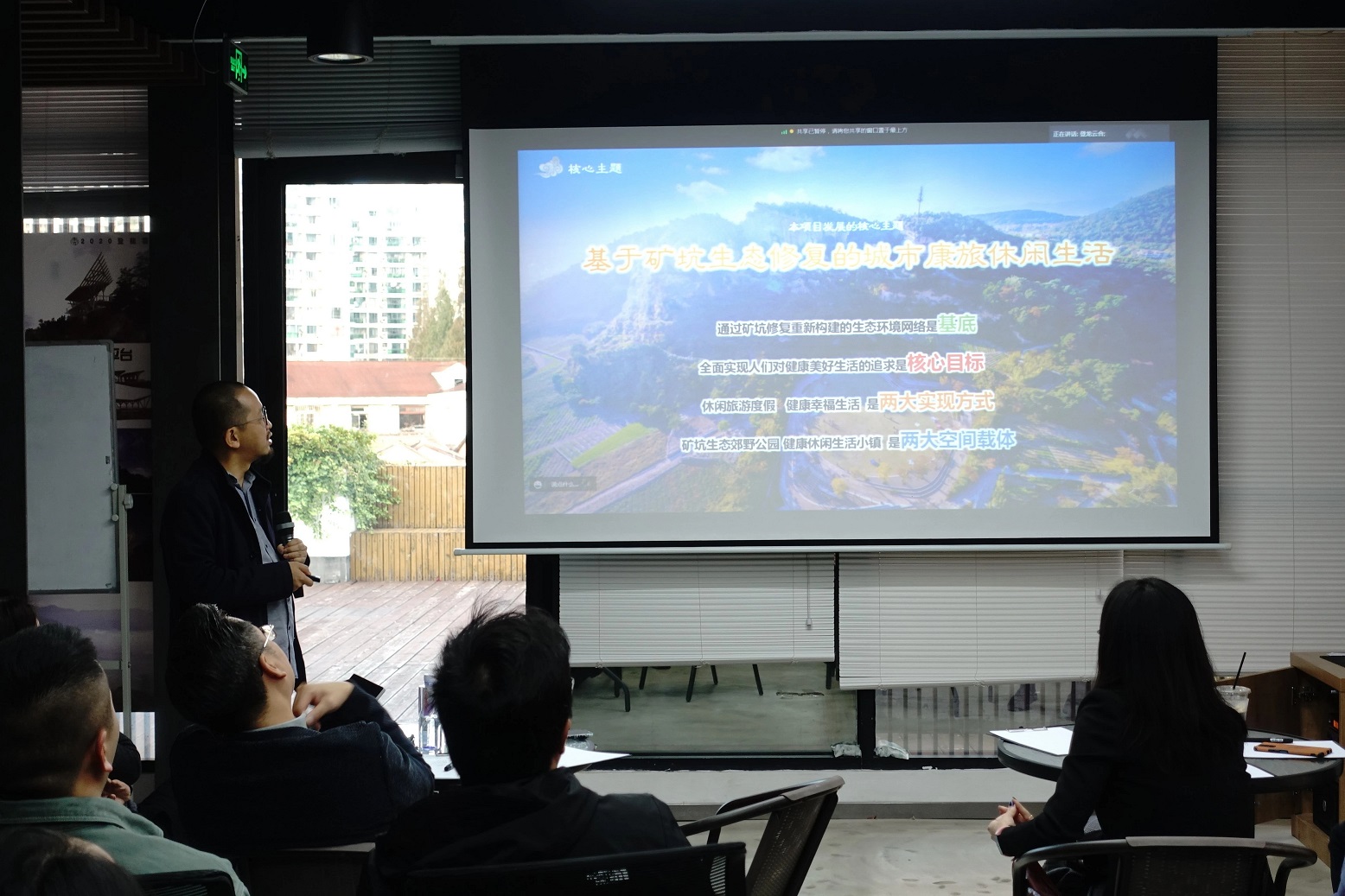
Jiaxiang Town faces the challenge of repurposing disused quarry pits in proximity to residential areas, necessitating the application of appropriate eco-technology and landscape designs for rehabilitation and redevelopment.
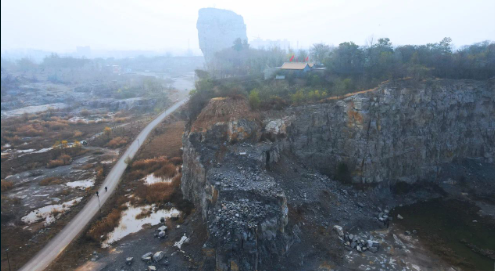
Onsite photo about the mine pits
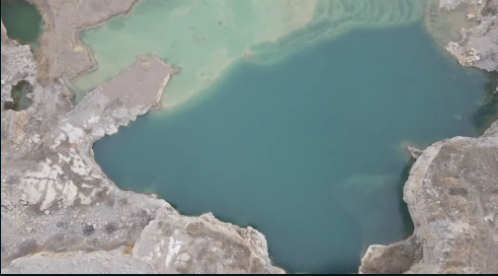
Onsite photo about the mine pits
The roundtable, which invited three experts from various fields of engineering, business, and strategy, alongside project developers, aimed to comprehensively address sustainability, economic reuse, and practical models. It was conducted both on-site and online to encourage broader industry participation in the discussion.
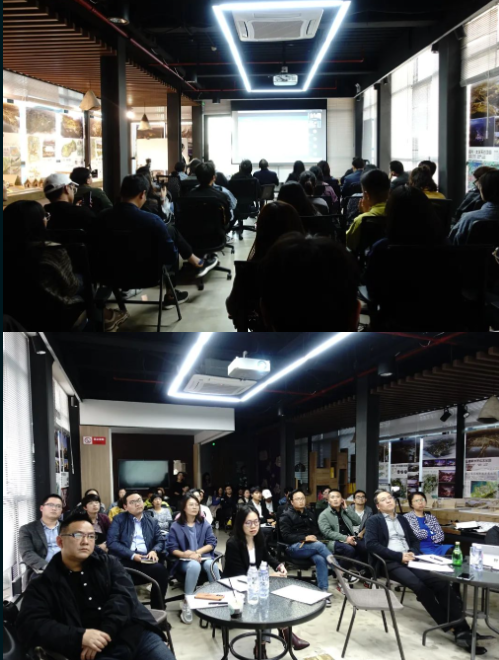
Session 1: Keynote Speech
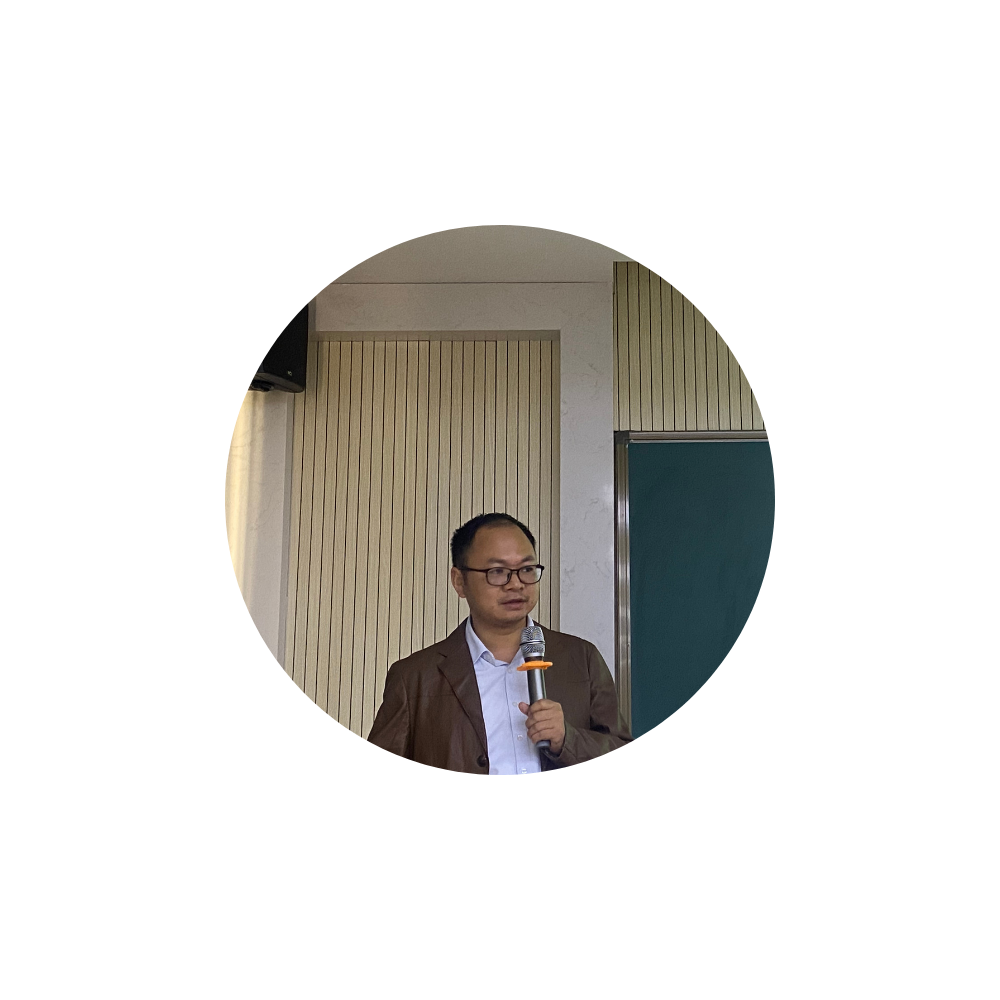
Dr. Wang Zhenxing, with extensive experience in environmental risk prevention and management of heavy metal pollution in mining contexts, provided an initial overview of the present state of domestically open abandoned mine pits. Subsequently, he delved into the environmental impact and grading assessment throughout project development, covering technical standards, evaluations, and related aspects.
The Environmental Impact Assessment Report (EIAR) functions as a predictive evaluation of the potential impact of new, expanded, or reconstructed projects on the environment. It relies on on-site monitoring of groundwater and soil, assessment of project materials, potential waste generated, and the design of environmental protection facilities. In the context of mine rehabilitation and redevelopment, the significance of the EIAR amplifies.
Dr. Wang outlined key ecological management processes in mining areas, encompassing reduced mine extraction, process control, and risk prevention strategies.
Given that the mine pits in the Jixiang Town sub-district are surrounded by residential areas, defining the operational interface division for ecological restoration becomes crucial. Dr. Wang recommended employing watershed regulation through water quality control units, augmented by patrol monitoring, GIS, and RS applications for effective management.

Ms. Cao, the Founder of Beyond Green Technology company, provided a concise introduction to ESG (Environmental, Social, and Corporate Governance), summarizing its criteria and highlighting well-known international rating agencies. Emphasizing that indicator selection should align with the purpose and context of the project, she stressed its integration from the initial planning and design stages through project approval, implementation, monitoring, and evaluation. Her company assists investment firms in integrating ESG-related indicators into their projects, aiming to strike a balance between economic and social benefits.
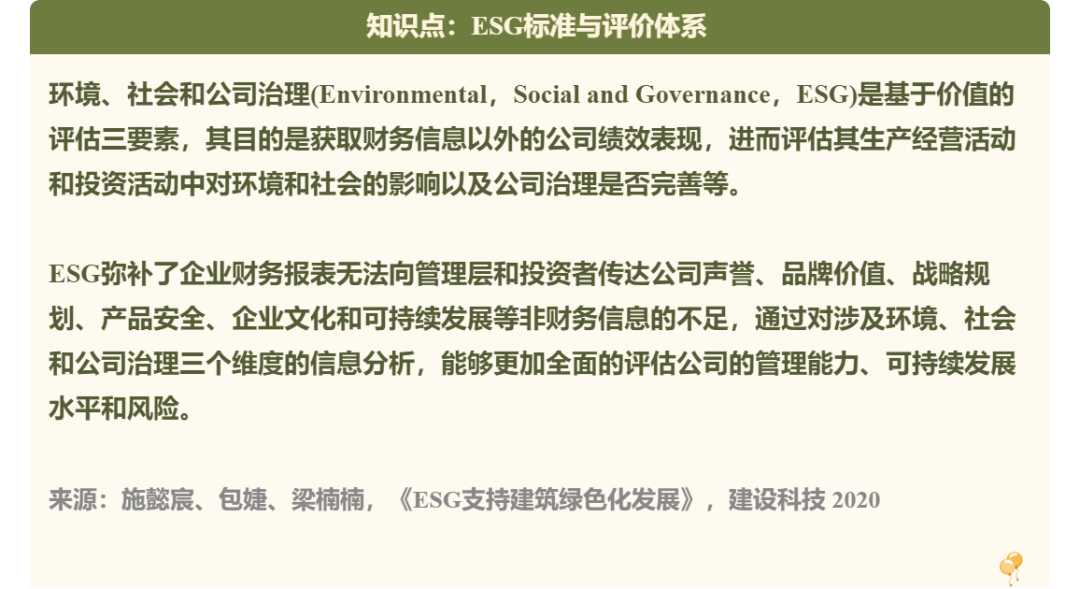
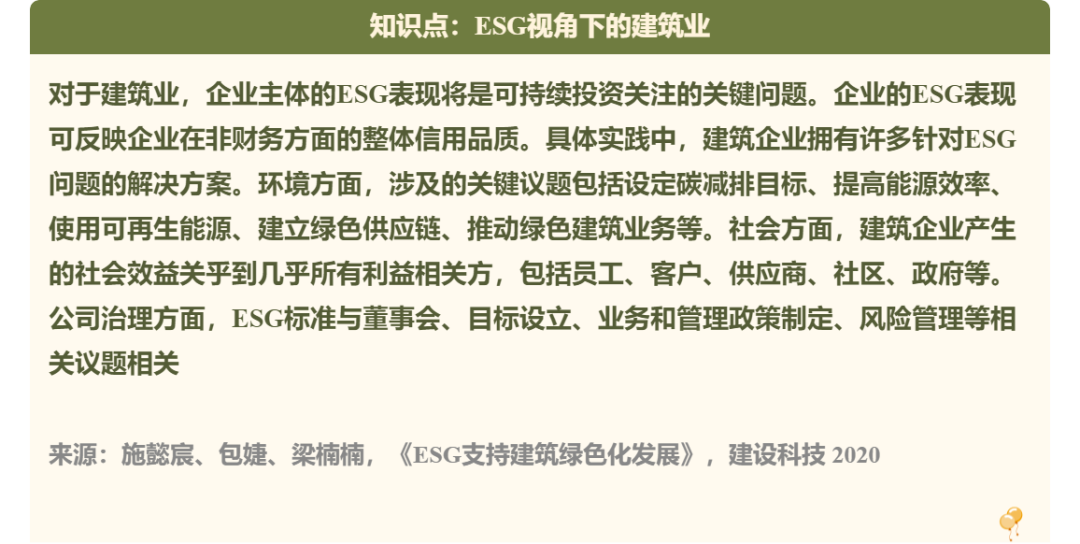

Dr. Feng, the Vice President of the Shanghai Gewu Research Institute of Cultural Development, initiated by outlining the trend in domestic cultural tourism and subsequently provided a comprehensive interpretation of ecotourism and its potential incorporation into the ecological restoration of abandoned mine pits. She presented various real case studies concerning domestic and international projects centered around mining parks. Additionally, she delved into the integration of intellectual property (IP) to foster the creation of cultural and tourism features like idyllic complexes and recreational resorts.


Session 2: Roundtable Discussion
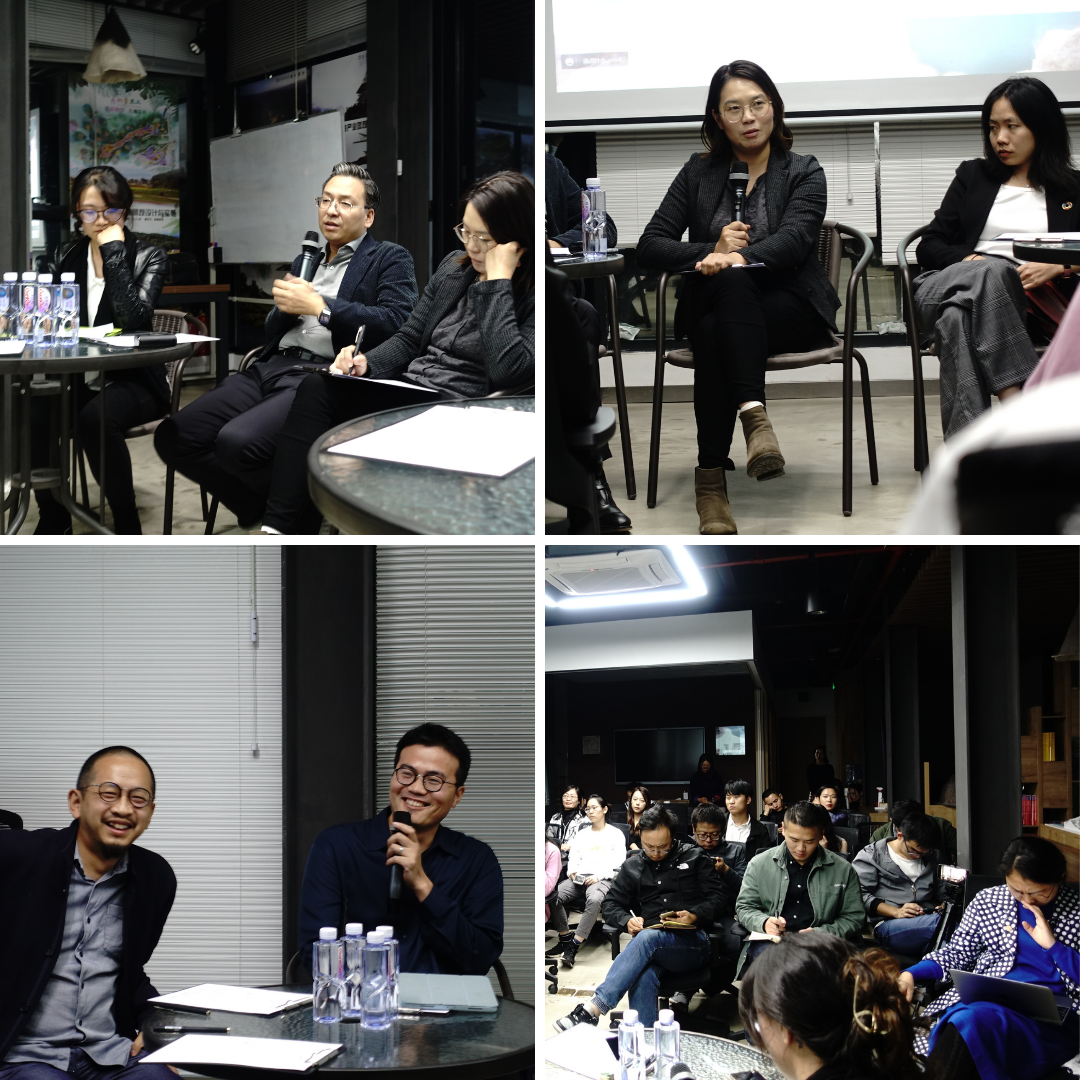
Rountable member: WANG Zhenxing, CAO Xi, FENG Xiang, WANG Ke, RONG Yao, SHI Quan. Moderator: XIANG Jie
During the roundtable discussion, there was an illuminating exchange addressing the challenges encountered in ecological restoration, as well as outlining future plans for Jiaxiang Town. The discussion spanned nearly 40 minutes, encompassing topics ranging from business strategies and technical support to social benefits. Both experts and the audience were deeply inspired by the comprehensive discussion that embraced cross-industry perspectives. It underscored the essence of the new economy, emphasizing innovation and collaboration. Whether one is a technologist, a business leader, a designer, or a policy maker, embracing a holistic view of the industry is paramount in bridging gaps among different fields.
This event marks the inaugural phase of the TOMAKERS X Yunhe initiative centered around 'Ecological Design: Urban-Rural Sustainable Development.' Its objective is to foster cooperation among diverse stakeholders involved in urban-rural eco-development and explore a more symbiotic connection between humanity and nature.